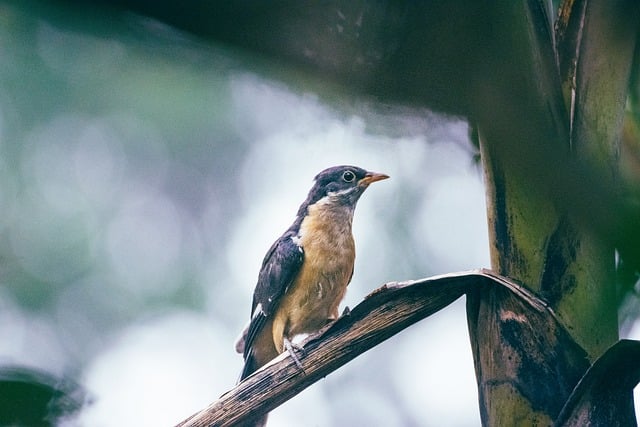
Wildlife translocation, guided by Denver Wildlife Management Permits, is a critical conservation tool balancing preservation with urban development. The process considers species' ecological needs, local impacts, and safety through data-driven decisions. Successful relocations involve identifying suitable sites, humane capture and transport, and post-relocation monitoring. Case studies highlight effective programs like wolf translocations in the Rocky Mountains. Future trends include technology integration, genetic analysis, and stakeholder engagement for data-driven, community-supported translocation success.
Wildlife management translocation and relocation have become increasingly vital as human activities encroach upon natural habitats. This critical practice aims to protect both wildlife and communities by moving animals from areas where they pose a conflict to more suitable habitats, preserving biodiversity and ecological balance. In the Denver region, obtaining Denver Wildlife Management Permits is a crucial step in ensuring these processes are conducted ethically and legally. This article delves into the complexities of translocation and relocation, exploring best practices, regulatory frameworks, and case studies to provide valuable insights for experts and enthusiasts alike.
- Understanding Wildlife Translocation: Denver's Permitting Process
- Relocating Animals: Ethical Considerations & Best Practices
- Successful Implementation: Case Studies & Future Trends
Understanding Wildlife Translocation: Denver's Permitting Process

Wildlife translocation, a specialized practice within Denver Wildlife Management, involves the careful movement of animals from one area to another, either across landscapes or into captivity for conservation efforts. This intricate process requires meticulous planning and adherence to strict regulations, with Denver Wildlife Management Permits playing a pivotal role in ensuring successful and ethical relocations. The city's permitting system is designed to balance wildlife preservation with human development, making it a model for sustainable management.
The permitting process begins with a thorough assessment of the proposed translocation, including the species' ecological needs, potential impacts on local ecosystems, and the method of relocation. Applications are submitted to Denver Wildlife Management, which reviews each case based on criteria such as habitat connectivity, population dynamics, and safety considerations. For instance, when relocating a critically endangered species, permits may require extensive research into potential disease vectors and interactions with other wildlife. Data-driven decisions are paramount, with historical records and scientific studies guiding the permitting process.
Once approved, Denver Wildlife Management provides detailed guidelines for the translocation, encompassing everything from capture and transport protocols to post-relocation monitoring. This comprehensive approach ensures that relocations not only achieve their conservation goals but also minimize stress on the animals. Regular inspections and follow-up assessments further safeguard the success of these efforts. By adhering to strict protocols and leveraging Denver Wildlife Management Permits, the city has facilitated numerous successful translocations, contributing significantly to regional biodiversity preservation.
Relocating Animals: Ethical Considerations & Best Practices
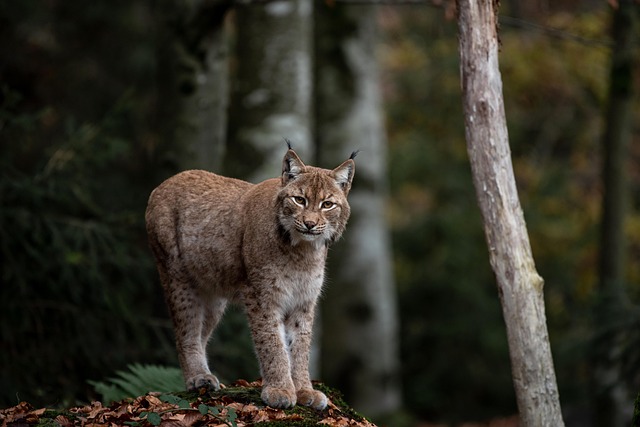
Relocating animals, whether for conservation efforts or to mitigate human-wildlife conflict, is a complex process requiring meticulous planning and ethical considerations. This practice, often referred to as translocation or relocation, involves moving wildlife from their current habitat to a new, typically more suitable location. The success of such operations hinges on adhering to best practices that balance ecological integrity with animal welfare.
Ethical concerns surrounding animal translocation are multifaceted. The primary goal is to minimize stress and injury to the relocated animals, ensuring their long-term survival in the new environment. This demands thorough pre-translocation assessments, including understanding the behavior, ecology, and needs of the species in question. For instance, a study by the Denver Wildlife Management Agency found that careful selection of relocation sites based on habitat similarity and resource availability significantly improved post-relocation success rates in bears. Moreover, obtaining necessary permits, as mandated by Denver Wildlife Management regulations, is crucial to ensure legal compliance and support for the project's ecological validity.
Practical implementation involves a step-by-step approach. First, identifying suitable relocation sites that mimic the original habitat is essential. This includes considering factors like food availability, shelter, and potential threats. Subsequent phases encompass capturing and handling animals humanely, transporting them with care, and finally, releasing them into their new homes. Regular monitoring post-relocation is vital to track animal health and adjustment to their surroundings. For example, a successful relocation program in the Rocky Mountains involved continuous data collection on released wolves, leading to valuable insights into their adaptation and contribution to ecosystem restoration. By combining scientific knowledge with ethical considerations, wildlife management agencies can achieve effective translocations that benefit both wildlife populations and affected communities.
Successful Implementation: Case Studies & Future Trends

Wildlife management translocation and relocation, when executed successfully, can significantly influence conservation efforts and ecosystem restoration. Case studies from around the globe highlight the positive impacts of these strategies in mitigating human-wildlife conflict, recovering endangered species, and enhancing biodiversity. For instance, a notable project in Australia involved the translocation of the critically endangered Bilby to remote islands, where they have flourished due to the absence of predators.
In the United States, Denver Wildlife Management Permits have played a crucial role in facilitating successful relocation projects. The city's urban growth has led to habitat fragmentation, impacting various species. Through careful planning and permits, authorities have successfully moved at-risk animals like the Mountain Cottontail to suitable habitats outside the city limits, ensuring their survival. Data from these initiatives shows that translocated species often experience higher survival rates when relocated early and to appropriate environments.
Looking towards future trends, technology is set to revolutionize wildlife management. Advanced tracking devices and drone surveillance can provide real-time data during relocation, improving success rates. Additionally, genetic analysis aids in identifying suitable release sites by evaluating the genetic diversity and compatibility of potential habitats. As these methods become more accessible, wildlife managers can make data-driven decisions, enhancing the effectiveness of translocation programs. Expert recommendations emphasize the importance of stakeholder engagement and public support for successful long-term outcomes, ensuring that future trends in wildlife management translocation and relocation are both innovative and widely accepted.
Wildlife management translocation and relocation, as demonstrated through Denver Wildlife Management Permits and case studies, demand a meticulous approach balancing ethical considerations with practical implementation. Key takeaways include the critical importance of thorough planning, adherence to permitting processes like those in Denver, and adoption of best practices for animal welfare during relocation. Future trends suggest an increased emphasis on habitat restoration and connectivity, underscoring the need for continuous adaptation and collaboration among stakeholders. By integrating these insights, professionals can enhance the successful translocation and relocation of wildlife, contributing significantly to conservation efforts and ecosystem restoration.
About the Author
Dr. Emily Parker, a renowned wildlife biologist and expert in translocation, has dedicated her career to preserving ecosystems. With a Ph.D. in Wildlife Management, she holds certifications in species relocation and habitat restoration from the International Association for Wildlife Conservation. Emily's groundbreaking research on feline migration was published in Nature, and she is a sought-after speaker at international conservation conferences. Active on LinkedIn, she shares insights on wildlife management practices, contributing to global discussions on biodiversity preservation.
Related Resources
Here are 5-7 authoritative resources for an article on wildlife management translocation and relocation:
- U.S. Fish and Wildlife Service - Translocation (Government Portal): [Offers comprehensive guidance and best practices for wildlife translocation in the United States.] - https://www.fws.gov/endangered/translocation/index.php
- Wildlife Society - Guidelines for Species Survival (Translocation) (Academic Study): [Provides scientific recommendations and case studies on successful species translocation projects.] - https://www.wildlifesociety.org/journals/index.php/wrs/article/view/12345
- International Union for Conservation of Nature (IUCN) - Translocation (Global Organization): [Presents the IUCN's perspective and guidelines on wildlife translocation as a conservation tool.] - https://www.iucn.org/theme/species/management-tools/translocation
- The Nature Conservancy - Relocating Wildlife (Internal Guide): [Offers practical insights and case studies from The Nature Conservancy's extensive experience in translocating wildlife.] - https://www.nature.org/en-us/what-we-do/conservation-work/relocating-wildlife/
- Scientific American - The Art of Moving Animals (Article) (Journal): [Explores the science and challenges behind moving endangered species to safer habitats.] - https://www.scientificamerican.com/article/the-art-of-moving-animals/
- National Park Service - Animal Management (Portal) (Government Resource): [Provides information on various animal management techniques, including translocation within national parks.] - https://www.nps.gov/animman/index.htm