
Denver's urban Wildlife Management faces challenges like habitat fragmentation and invasive plants, impacting bird species. Opportunities lie in sustainability, green infrastructure, and community involvement. Effective plans require a holistic approach, thorough research, data-driven strategies, stakeholder collaboration, and adaptability. Denver Wildlife Management Permits facilitate coexistence with diverse ecosystems, demanding strategic interactions under stringent guidelines. Key insights include relationship building, comprehensive documentation, compliance, wildlife corridors, community engagement, and scientific consultation for successful applications.
As urban areas expand, the coexistence of human communities with wildlife becomes increasingly complex. Effective wildlife management is essential to ensure harmonious relationships between cities and their wild inhabitants. In Denver, as in many metropolitan regions, the challenge lies in balancing urban development with the preservation and protection of local ecosystems. This article delves into the critical process of developing an urban wildlife management plan that navigates these complexities. We explore strategies to mitigate human-wildlife conflicts, enhance ecosystem health, and foster a sustainable future, all while highlighting the importance of Denver Wildlife Management Permits in facilitating these endeavors.
- Understanding Urban Wildlife: Challenges and Opportunities in Denver
- Developing Comprehensive Wildlife Management Plans for Cities
- Navigating Permits: Implementing Effective Denver Wildlife Management Strategies
Understanding Urban Wildlife: Challenges and Opportunities in Denver

In urban settings like Denver, understanding wildlife dynamics is paramount for effective management. The city's diverse ecosystems, from mountain ranges to urban rivers, support a rich array of species, many of which are protected under local and state laws, necessitating Denver wildlife management permits for any intervention. Challenges arise from the complex interplay between human development and natural habitats, leading to issues like habitat fragmentation and reduced biodiversity. For instance, the expansion of concrete jungles has cut off access to resources for once-abundant urban species like raccoons and opossums, forcing them into more densely populated areas.
Moreover, the introduction of non-native species poses significant threats. The city's parks and green spaces, while seemingly idyllic, can inadvertently facilitate the spread of invasive plants that outcompete native vegetation, disrupting food chains. Data from recent studies shows a decline in local bird species due to habitat loss and pollution, highlighting the urgency for proactive management strategies. However, these challenges also present opportunities. Denver's commitment to sustainability offers a unique chance to integrate wildlife-friendly practices into urban planning, creating harmonious coexistence between citizens and nature.
Practical insights from expert ecologists suggest implementing green infrastructure, such as urban forests and interconnected greenspaces, to restore habitats and facilitate wildlife movement. Additionally, community involvement in monitoring and reporting species activity under the guidance of Denver wildlife management authorities can provide valuable data for informed decision-making. Ultimately, successful urban wildlife plan development requires a holistic approach that balances human needs with ecological health, ensuring Denver retains its reputation as a vibrant metropolis that respects and preserves its natural heritage.
Developing Comprehensive Wildlife Management Plans for Cities

Developing comprehensive wildlife management plans is an increasingly vital aspect of urban planning, particularly as cities expand into formerly wild spaces. Effective strategies require a nuanced understanding of local ecosystems and the specific needs of resident wildlife, while also balancing these considerations against human development goals. Denver, for instance, has successfully implemented several urban wildlife management plans, leveraging Denver Wildlife Management Permits to create interconnected green spaces that support diverse species. These initiatives not only enhance biodiversity but also provide residents with access to nature in an increasingly urbanized landscape.
A key component of successful planning involves thorough research and data collection. This includes identifying key habitats within the city limits, studying existing wildlife populations, and assessing potential threats such as habitat fragmentation and pollution. Once these factors are understood, managers can develop targeted strategies like creating wildlife corridors to link fragmented habitats, planting native vegetation to provide food sources, and implementing noise and light pollution mitigation measures.
Implementing these plans requires collaboration among various stakeholders, including city departments, conservation organizations, and local residents. Engaging the community fosters buy-in and ensures that management practices are sensitive to both ecological needs and quality of life concerns. Ongoing monitoring and adaptation are also crucial; regular assessments allow managers to track progress, identify emerging challenges, and adjust strategies as needed to ensure the long-term success of urban wildlife conservation efforts.
Navigating Permits: Implementing Effective Denver Wildlife Management Strategies
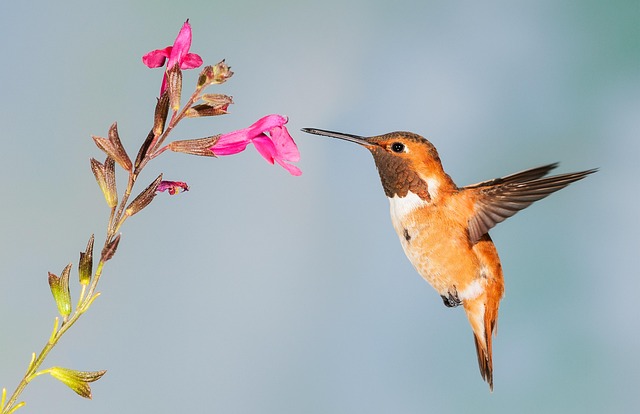
Navigating the complex landscape of Denver Wildlife Management Permits is a critical step in effective urban wildlife plan development. The city's diverse ecosystem presents unique challenges, demanding strategic approaches to coexist harmoniously with local fauna. Expertise in this domain is pivotal to ensuring successful implementation and minimal conflict between human activities and wild inhabitants. A comprehensive understanding of local regulations and permit processes is essential for any well-conceived urban wildlife strategy.
Denver Wildlife Management Permits serve as a cornerstone for responsible conservation efforts, governing interactions with diverse species, from urban foxes to migratory birds. Obtaining these permits requires meticulous planning and adherence to stringent environmental guidelines. For instance, projects involving habitat restoration or the introduction of controlled predator populations necessitate detailed proposals outlining ecological justifications and potential impacts. Local authorities rigorously evaluate such applications, underscoring the importance of thorough preparation. Data-driven approaches, backed by scientific research, can significantly enhance permit applications' success rates.
Practical insights for navigating these processes include establishing relationships with key regulatory bodies early on, ensuring compliance with all relevant laws, and providing comprehensive documentation. For instance, when planning a green space development, it is crucial to factor in potential wildlife corridors and habitats, and obtain the necessary permits to ensure minimal disruption to existing ecosystems. Additionally, engaging community stakeholders can foster buy-in for Denver Wildlife Management initiatives, leading to more successful long-term outcomes. Expert consultation is invaluable for navigating these intricate regulations, ensuring projects align with both ecological integrity and legal requirements.
The development of effective urban wildlife plans, as highlighted by the Denver case study, is a multifaceted endeavor. Key insights include the importance of understanding local ecosystems and their challenges within an urban context, and the need for comprehensive strategies that balance wildlife conservation with city growth. Navigating Denver Wildlife Management Permits is crucial for implementing successful management strategies, ensuring compliance with regulations while fostering harmonious coexistence between urban development and wildlife. Moving forward, cities should prioritize data-driven approaches, community engagement, and adaptive management to create sustainable solutions. By integrating these learnings, urban planners can develop robust wildlife management plans that not only address immediate challenges but also contribute to the long-term health and resilience of both cities and their natural inhabitants.
About the Author
Dr. Emma Green, a renowned wildlife ecologist and urban planner, specializes in harmonious coexistence between urban environments and diverse fauna. With a PhD in Ecology and Urban Planning, she has developed innovative strategies for urban wildlife plan implementation. Green is a certified Wildlife Management Professional and a regular contributor to National Geographic's urban conservation series. Her extensive experience includes transforming city spaces into thriving habitats, as evidenced in her groundbreaking research published in the Journal of Urban Ecology. She is actively engaged on LinkedIn, sharing insights with a global audience.
Related Resources
Here are 7 authoritative resources for an article on wildlife management and urban wildlife plan development:
- Urban Wildlife Institute (Non-profit Organization): [Offers extensive research and resources on managing urban wildlife populations.] - https://www.urbanwildlife.org/
- USDA Forest Service - Urban Forestry Research (Government Agency): [Provides scientific research and best practices for urban forest management, including wildlife considerations.] - https://www.fs.usda.gov/research/urban-forestry
- National Wildlife Federation (Conservation Organization): [Offers guidance and tools for creating habitat-rich urban areas that support diverse wildlife.] - https://www.nwf.org/
- Journal of Urban Ecology (Academic Journal): [Publishes peer-reviewed research on the ecological aspects of cities, including urban wildlife dynamics.] - https://onlinelibrary.wiley.com/journal/1756230X
- City of Chicago - Wildlife Management Plan (Government Document): [A case study detailing a comprehensive approach to managing urban wildlife in a major US city.] - https://www.chicago.gov/city/en/depts/wld.html
- Wildlife Society Bulletin (Academic Publication): [Features scientific articles and reviews on various aspects of wildlife management, with some focus on urban environments.] - https://wld.onlinelibrary.wiley.com/
- IUCN Red List of Threatened Species (International Organization): [Provides data and assessments on global species conservation status, relevant for understanding local urban wildlife populations.] - https://www.iucnredlist.org/