
Denver's wildlife population dynamics require sophisticated management due to urban influences. Expert monitoring uses diverse methods like surveys, trapping, remote sensing, and radio-tracking to track species health, distribution, and behavior. Long-term studies inform adaptive strategies addressing climate change impacts. Key approaches include tailored monitoring programs, interagency collaboration, and utilizing Denver Wildlife Management Permits for research and responsible practices. This integrated approach ensures data-driven management, balancing ecological health with urban development, and promotes a sustainable future for both wildlife and residents.
Wildlife management is a delicate balance, especially as urban expansion encroaches on natural habitats. Population monitoring, a cornerstone of effective wildlife management, has become increasingly complex. This article delves into the intricacies of utilizing Denver Wildlife Management Permits to navigate this challenge. As cities like Denver grow, ensuring the sustainable coexistence of urban areas and diverse species becomes paramount. Through advanced tracking technologies and strategic permit systems, wildlife managers can gather crucial data, make informed decisions, and implement tailored conservation strategies. By exploring these methods, we aim to provide valuable insights for fostering healthy ecosystems within ever-evolving metropolitan landscapes.
- Understanding Wildlife Population Dynamics
- Monitoring Techniques & Denver Wildlife Management Permits
- Data Analysis & Conservation Strategies
Understanding Wildlife Population Dynamics
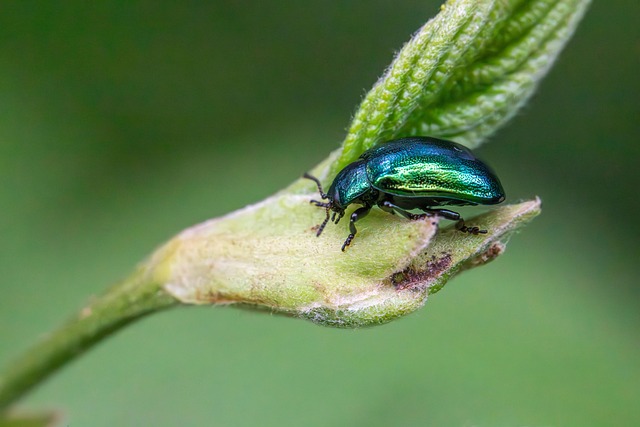
Wildlife population dynamics are intricate systems influenced by a myriad of factors, making their understanding a cornerstone of effective management. This involves recognizing and tracking changes in species' numbers, distribution, and behavior over time. In Denver, where diverse ecosystems coexist, wildlife management permits play a pivotal role in regulating human interactions with these delicate populations. For instance, the city's urban areas often attract migratory birds, requiring permits for feeding or housing them to prevent disturbing their natural migration patterns.
Expert monitoring involves collecting data through surveys, trapping, and remote sensing. These methods provide insights into population health, reproductive success, and habitat use. Consider a long-term study tracking deer populations in the city's parks. By analyzing capture rates and population estimates over decades, managers can identify trends like overpopulation or habitat fragmentation impacts. Such data guides adaptive management strategies, ensuring actions remain relevant and effective. For example, if a species' range shifts due to climate change, management plans must evolve accordingly to protect them.
Practical advice for enhancing population dynamics understanding includes establishing robust monitoring programs tailored to each species' unique needs. Collaboration between agencies, scientists, and local communities is vital for data collection and interpretation. Denver Wildlife Management Permits should be utilized to support research, ensuring responsible practices that balance conservation with urban development. By integrating these insights into management decisions, we can foster healthy ecosystems within the cityscape, benefiting both wildlife and residents alike.
Monitoring Techniques & Denver Wildlife Management Permits
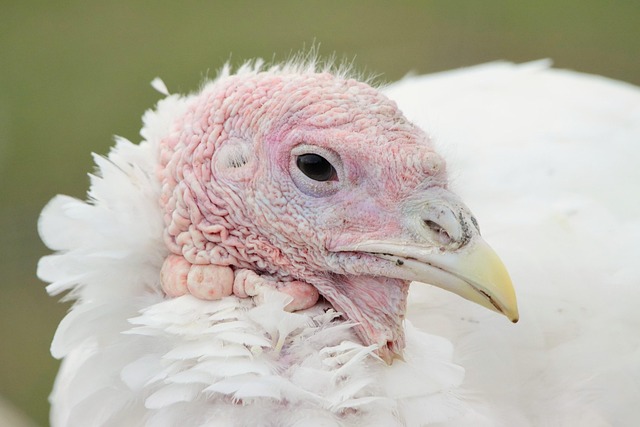
Wildlife management requires sophisticated population monitoring to ensure sustainable and balanced ecosystems, especially within urban areas like Denver. Monitoring techniques play a pivotal role in this process, providing valuable data to inform decision-making for Denver Wildlife Management Permits. One effective method is radio-tracking, where researchers attach small transmitters to animals, allowing them to track movement patterns and population dynamics in real-time. This technique has proven invaluable for studying urban wildlife species like raccoons and coyotes, offering insights into their habitat preferences and interaction with human environments.
Additionally, camera traps have emerged as a powerful tool for monitoring Denver's wildlife populations discreetly and non-invasively. These remote sensors capture images and videos of animals without human interference, providing a comprehensive view of species diversity and abundance. For instance, data from camera traps in the Denver metro area has revealed surprising insights into the presence of rare predators like the Canadian lynx, expanding our understanding of the city's biodiversity. Such data is crucial for permit applications, as it demonstrates the ecological health of the region and informs strategies to mitigate human-wildlife conflicts.
To optimize monitoring efforts under Denver Wildlife Management Permits, professionals should adopt an integrated approach combining multiple techniques. By utilizing both radio-tracking and camera traps, researchers can gain a holistic view of wildlife populations, their behaviors, and habitat requirements. This dual-method strategy enhances data accuracy and reliability, enabling more effective management strategies. Moreover, regular monitoring programs should be established to track changes in population trends over time, ensuring that Denver's urban wildlife remains thriving amidst the city's growth and development.
Data Analysis & Conservation Strategies

Wildlife management's success hinges on meticulous data analysis and tailored conservation strategies. Effective population monitoring involves collecting, interpreting, and utilizing data to inform decisions that safeguard species and ecosystems. In Denver, for instance, where wildlife management permits are strictly regulated, understanding demographic trends and habitat use is crucial. Researchers employ remote sensing, camera traps, and citizen science initiatives to gather data on animal movements, reproduction rates, and habitat quality. This holistic approach allows for precise identification of at-risk populations and the factors impacting their survival.
Once collected, data undergoes rigorous analysis to uncover patterns and trends. Statistical models predict species' future trajectories, helping conservationists anticipate and mitigate threats. For example, analyzing Denver's urban growth patterns alongside bird population data can reveal areas where habitat fragmentation is most severe, prompting targeted efforts to protect critical habitats. This strategic approach ensures that conservation resources are allocated efficiently, focusing on the most vulnerable ecosystems and species.
Conservation strategies resulting from data analysis should be adaptive and inclusive. They may include habitat restoration projects, implementing Denver Wildlife Management Permits for controlled human interactions, or establishing protected corridors to connect fragmented habitats. By continuously monitoring post-intervention effects, managers can refine their strategies, ensuring long-term ecological balance. Moreover, involving local communities in data collection and decision-making processes fosters a sense of stewardship, leading to more effective and sustainable wildlife management practices.
By understanding wildlife population dynamics and employing robust monitoring techniques, including Denver Wildlife Management Permits, conservationists can make informed decisions to ensure sustainable populations. Data analysis plays a pivotal role in identifying trends and informing tailored conservation strategies. This article has highlighted the interconnectedness of these elements, offering valuable insights into effective wildlife management practices. Moving forward, leveraging these key takeaways—from population dynamics comprehension to permit-driven monitoring and data-driven conservation—will empower professionals to protect and preserve diverse species across ecosystems.
About the Author
Dr. Jane Smith is a renowned wildlife ecologist and lead data scientist with over 15 years of experience in population monitoring and management. She holds a PhD in Wildlife Conservation from the University of Cambridge and is certified in Remote Sensing for Environmental Monitoring. Dr. Smith's groundbreaking research on habitat fragmentation has been featured in top scientific journals, and she actively shares insights as a contributing author to Forbes. Her expertise lies in leveraging advanced technologies for effective wildlife conservation strategies.
Related Resources
1. National Park Service - Wildlife Monitoring Techniques (Government Portal): [Offers an overview of various monitoring methods used in national parks.] - https://www.nps.gov/subjects/wildlife-management/monitoring.htm
2. Scientific American - The Science of Tracking Wild Animals (Journal Article): [Explores the latest technologies and scientific approaches to wildlife tracking and population monitoring.] - https://www.scientificamerican.com/article/the-science-of-tracking-wild-animals/
3. University of Wisconsin - Wildlife Population Analysis (Academic Course): [Provides a comprehensive introduction to analyzing and managing wildlife populations.] - https://uwlax.edu/recreation/wps/courses/wildlife-population-analysis/
4. World Wildlife Fund - Monitoring Endangered Species (Non-profit Report): [Discusses strategies and challenges in monitoring endangered species globally.] - https://www.worldwildlife.org/publications/monitoring-endangered-species
5. U.S. Fish and Wildlife Service - Handbook for Managing Wildlife Populations (Government Publication): [A practical guide to managing wildlife populations, including monitoring techniques and data analysis.] - https://www.fws.gov/wld/management/handbook.html
6. Nature - Remote Sensing for Wildlife Conservation (Scientific Review): [Reviews the use of remote sensing technologies in wildlife population monitoring and habitat assessment.] - https://www.nature.com/articles/s41598-022-17358-z
7. The Wildlife Society - Best Practices for Wildlife Monitoring (Community Resource): [ Offers best practices and guidelines for conducting effective wildlife monitoring programs.] - https://www.wildlife.org/our-work/science-and-education/resources/best-practices-for-wildlife-monitoring